The Simple Way to Make Sure You Never Sneeze at the Wrong Time Again

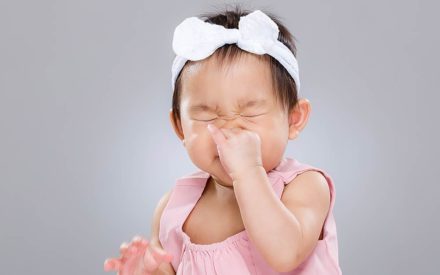
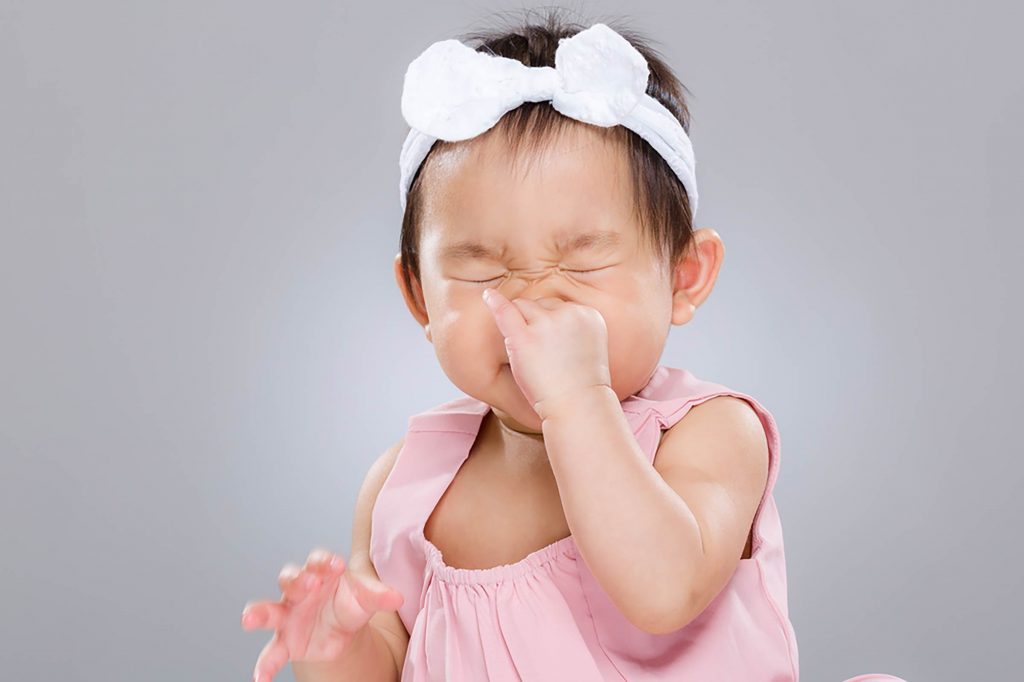
sneezeleungchopanSixty-six percent of the time, a sneeze response is secular. You’re walking through your local artisanal spice shop and draw just a bit too many notes of fresh paprika, and suddenly you send spice particulates flying all over the place. An aisle over you hear “God bless you,” behind you a “salud” (translation: health) and the stock boy at the front refrains with “gesundheit” (translation: health).

All eyes on you, covered in the purest Hungarian paprika. If only there was a way to avoid this entire debacle, a way to turn back the hands of time to an era before the oregano explosion. If only there was a way to stop that sneeze in its tracks.

According to Lifehacker, there is. As soon as you hear a sneeze coming on, take your tongue and firmly press it against the roof of your mouth. The motion will overload your brain’s benign sensory input, and cease your schnoz soot.  Your synapses have been shut up. Everyone may sneeze differently, but this trick should work across the board.

This may help you in the moment, but if you’re looking to deal with your large scale allergies, you might need a bigger overhaul. And remember, spring isn’t the only time that your sinuses are shot full of allergens—fall allergies are very much a thing, and you might just be unknowingly making them worse

[Source: Lifehacker]

Comments

Popular posts from this blog

How well do cats understand human language?

How well do cats understand human language? Can they recognize when they’re being called by name? Can they detect angry or loving tones? Are there certain sounds they recognize better than words?   Just think about what this means for cat owners everywhere… Have you ever sat on the sofa with your cat on your lap, just wishing you could actually tell her the level of affection you felt at that moment… using your own words? Have you ever wished to have true, detailed conversations like a parent would have with his or her own child? Have you ever desired to instruct or even discipline your cat without using a harsh voice , so that you could change behaviors without projecting negative emotions?   Not only can cats reportedly understand 25 to 35 human words , but they can also perceive and respond to human emotions . For example: Recent research into cat communication has shown that: Cats (79% of them in one study) do “social r...

Honey Will Stay Fresh Forever If You Do This One Easy Thing

Julia Sudnitskaya/shutterstock Honey isn’t just for tea. Although, it could last for an eterni-tea if you play your cards right. Horrible puns aside, the gooey stuff seems to have more and more health benefits by the day, but its state can get sketchy over time. If stored improperly, it can be overrun by ants, fictional red-shirted bears , or the process of crystallization (although this doesn’t mean that it’s spoiled. ) But there is a simple solution to these issues and if executed properly, the preservation technique could keep your honey fresh for centuries ( no, we’re not kidding, ask the pharaohs.) Three things need to be kept in mind while storing honey; the temperature, the humidity, and the seal. Make sure that your honey is tightly sealed, with as few air pockets as possible. Once all the air is out, take your honey and store it in a cool, dry place. If the seal is not tampered with and the environment remains stable, your honey will stay fresh thousands of years after...

OMG, We’ve Been Slicing Bread Wrong This Whole Time

Vladeep/shutterstock If you’ve been placing the flat underside of your loaf on the cutting board and the curved top facing the ceiling, bad news—you’re among the masses of improper bread slicers. Somehow knowing that we’ve been slicing bread wrong for generations means using the phrase “the best thing since sliced bread” seems kind of wrong now too. If you’re wondering how bread can even be improperly sliced, it comes down to what makes slicing easiest and least likely to damage the loaf—and your hands. “It’s easier to slice bread on its side because the crust tends to be harder on the bottom,” shares Kevin Chun, executive chef at The Williamsburg Hotel and Brooklyn Bread Lab. “You want to keep the slice intact, so by carving from the crispier end, it allows for a cleaner cut.” Gasp! Does that mean the heart-shaped ridges at the top aren’t a guiding point for our knives? You bet. If you think Kevin’s advice is unusual, you should know that top chefs across the globe share the side...